Quick View
The best African safari destinations in 2026 include Kenya, Tanzania, South Africa, Botswana, and Rwanda. Kenya consistently ranks as Africa’s top safari country, home to the Maasai Mara, Amboseli, Lake Nakuru, and Samburu — all managed by the Kenya Wildlife Service. A standard 7‑day African safari costs between $2,500 and $8,000 per person depending on the country, accommodation type, and season. The best time for a safari in East Africa is July through October, which coincides with the Great Migration in Kenya and Tanzania. For first-time visitors, Kenya offers the easiest entry, the widest wildlife variety, and the most accessible infrastructure for international travelers.
You Have Probably Dreamed About This Longer Than You Think
Most people who book an African safari say the same thing after they return: “Why did I wait so long?” The open savannah, the lions crossing the road in front of your vehicle, the elephants with their calves, the sunset turning the sky orange over the Rift Valley. There is nothing else quite like it in the world.
The phrase “best African safari” gets searched millions of times every year. And for good reason — Africa is a big continent with dozens of countries and hundreds of parks. Choosing where to go, when to go, how much to spend, and who to trust can feel overwhelming.
This guide cuts through the noise. It covers the top safari destinations in Africa for 2026, what each one offers, how much it costs, and how to plan a trip that matches your budget and expectations. Whether you are planning your first safari or returning for a deeper experience, this is the information you need to get it right.
What Is an African Safari and Why Does It Matter?
An African safari is a guided wildlife experience in one of Africa’s national parks, game reserves, or private conservancies. The word “safari” comes from Arabic and Swahili, meaning “journey.” In modern travel, it refers to any organized trip into wild African terrain to observe animals in their natural habitat.
Africa is home to more large mammal species than any other continent on Earth. According to the World Travel and Tourism Council, tourism — including wildlife tourism — contributes significantly to the GDP of countries like Kenya, Tanzania, South Africa, and Botswana. Safari tourism supports local communities, funds conservation, and protects millions of hectares of wild land from agricultural or industrial development.
| Key Feature | Details |
|---|---|
| Best continent for wildlife | Africa — home to the Big Five and Great Migration |
| Top safari countries in 2026 | Kenya, Tanzania, South Africa, Botswana, Rwanda |
| Most popular safari duration | 7–10 days |
| Peak season (East Africa) | July – October |
| Green season (lower prices) | November – May |
| Wildlife highlight | Big Five: lion, leopard, elephant, rhino, buffalo |
| Entry requirement (most countries) | Visa or eTA required — varies by nationality |
The UNESCO World Heritage Centre recognizes several African safari destinations, including the Serengeti in Tanzania and Kenya’s Lake Turkana, as places of outstanding universal value. This recognition underscores the global importance of protecting these ecosystems.
Why Africa — and Specifically Kenya — Remains the World’s Best Safari Destination
Africa is the only continent where you can still witness wildlife at this scale. But within Africa, Kenya holds a special place for several reasons.
- Kenya is home to the Maasai Mara, consistently rated one of the world’s best game reserves by TripAdvisor and global travel publications
- The Great Wildebeest Migration — over 1.5 million wildebeest moving between Tanzania and Kenya — is the largest animal movement on Earth
- Kenya has more than 50 national parks and reserves managed by the Kenya Wildlife Service
- English is an official language in Kenya, making it accessible for international visitors without language barriers
- Nairobi’s Jomo Kenyatta International Airport connects directly to major global hubs, reducing travel time for visitors from Europe, Asia, and the Americas
- Kenya offers wildlife experiences at every budget level — from basic camping to ultra-luxury tented camps
- According to Magical Kenya, Kenya’s safari circuit includes diverse ecosystems: savannah, freshwater lakes, mountain forests, semi-arid scrubland, and coastal marine parks — all within one country
For Kenyan residents, a local safari is one of the most affordable and accessible ways to experience world-class wildlife. Domestic park entry fees set by the Kenya Wildlife Service are significantly lower than foreign resident rates, making parks like Nairobi National Park, Hell’s Gate, and Samburu extremely accessible for local families and school groups.
View Our Top Safaris in Kenya and Zanzibar Charming Safariz offers expert-guided Kenya safaris for local and international travelers at all budget levels. Browse Kenya Safari Packages
Types of African Safaris: Which One Is Right for You?
Game Drive Safari
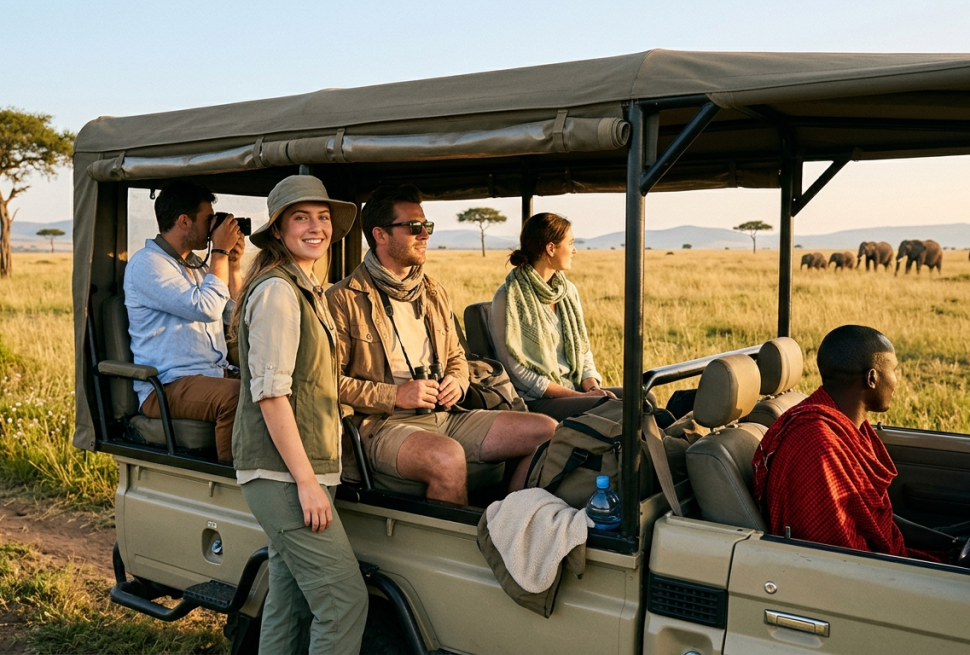
The classic African safari experience. You ride in a 4x4 safari vehicle with a professional guide who drives through the park, locates wildlife, and explains animal behavior, ecology, and tracking techniques. Morning and afternoon game drives are the standard format, with the best wildlife activity at sunrise and sunset. This is the most recommended option for first-time visitors.
Walking Safari
A guided safari on foot, usually in designated areas of a park or conservancy. Walking safaris let you experience the bush at ground level — tracking footprints, examining plants, and observing smaller animals and insects that you would miss in a vehicle. These are available in several Kenyan conservancies and are popular with experienced safari travelers who want a more intimate encounter.
Hot Air Balloon Safari
Available primarily in the Maasai Mara, a balloon safari lifts you above the plains at sunrise for a bird’s-eye view of the landscape and wildlife below. It lasts approximately one hour and is followed by a champagne breakfast in the bush. At roughly $450 per person, it is a premium add-on that many travelers call the highlight of their entire trip.
Fly-In Safari
Instead of road transfers between parks, you fly in small bush aircraft between destinations. Fly-in safaris cut travel time dramatically and add an aerial perspective to your experience. This format is ideal for shorter trips or visitors who want to maximize game drive time while minimizing road hours.
Boat and Water Safari
Available at Lake Naivasha, Lake Baringo, and coastal areas, boat safaris let you observe hippos, crocodiles, aquatic birds, and shoreline wildlife from the water. At Lake Naivasha, a boat ride combined with a walking safari on Crescent Island is one of the most unique wildlife experiences in Kenya.
Luxury Tented Camp Safari
Kenya’s luxury lodges and tented camps combine world-class accommodation with full safari access. Properties like Angama Mara, Mahali Mzuri, and Cottars 1920s Camp have featured in global travel media as among the best safari experiences in the world. These camps are all-inclusive and offer game drives, bush dinners, spa services, and community visits.
Budget and Group Safari
For travelers on tighter budgets, shared group safaris offer the same parks and game drives at a fraction of the private safari cost. Groups of 6 to 10 travelers share a vehicle and split costs. This is a very popular option among solo travelers, young professionals, and students.
How to Plan the Best African Safari Correctly
Planning a safari is not complicated, but the order in which you do things matters.
Safari Planning Checklist
- Choose your destination and parks based on your wildlife priorities
- Decide on your safari style — private, group, fly-in, budget, or luxury
- Set a realistic budget including flights, accommodation, park fees, tipping, and travel insurance
- Choose the right season based on what you want to see
- Apply for your visa or eTA well in advance
- Book a reputable, licensed tour operator with verifiable reviews
- Get required vaccinations 4 to 6 weeks before travel
- Pack appropriate clothing and gear
- Purchase travel insurance that covers emergency medical evacuation
- Confirm all booking details and share your itinerary with someone at home
Step-by-Step: How to Book Your Best African Safari
- Research the top 3 to 5 parks that match your wildlife wish list
- Contact a licensed safari operator and request a detailed, itemized quote
- Compare 2 to 3 quotes — do not choose on price alone; check what is included
- Pay a deposit to secure your dates (usually 20 to 30% of the total)
- Apply for your eTA or visa using your country’s official portal
- Book international flights and confirm connection times to your destination city
- Visit a travel medicine clinic for vaccinations and malaria medication
- Purchase travel insurance covering cancellation, medical, and evacuation
- Receive your full booking confirmation and digital itinerary
- Pack, arrive, and trust your guide
View Our Top Safaris in Kenya Let Charming Safariz build your perfect itinerary — from parks to lodges to flights. Request a Custom Safari Quote
African Safari Costs in 2026: What to Budget
| Safari Type | Estimated Cost Per Person Per Day (USD) | What’s Typically Included |
|---|---|---|
| Budget / Group Safari | $150 – $280 | Shared vehicle, basic camp, meals, park fees |
| Mid-Range Private Safari | $280 – $480 | Private 4x4, mid-range lodge, meals, park fees, guide |
| Luxury Private Safari | $500 – $1,500+ | Private vehicle, luxury camp, all meals, extras |
| Fly-In Safari | $600 – $2,000+ | Flights between parks, luxury lodges, all-inclusive |
| Hot Air Balloon Add-On | $450 per person | One balloon flight, champagne bush breakfast |
For a 7‑day Kenya safari, the total cost including international flights, accommodation, meals, park fees, and insurance typically falls between $3,400 and $9,000 per person. Statista data consistently places Kenya among Africa’s top three tourism revenue generators, reflecting the strong value for money the country delivers across all budget levels.
Park entry fees in Kenya are set and updated periodically by the Kenya Wildlife Service. Always confirm current fees at the time of booking since they are subject to review.
Top African Safari Destinations Compared (2026)
| Country | Top Park / Reserve | Best For | Peak Season | Relative Cost |
|---|---|---|---|---|
| Kenya | Maasai Mara | Big Five, Great Migration | July – October | Moderate – High |
| Tanzania | Serengeti | Great Migration, Ngorongoro Crater | June – October | High |
| South Africa | Kruger National Park | Self-drive, Big Five | May – September | Moderate |
| Botswana | Okavango Delta | Exclusivity, low-density tourism | June – October | Very High |
| Rwanda | Volcanoes National Park | Mountain gorilla trekking | June – September | High |
| Namibia | Etosha National Park | Desert-adapted wildlife, self-drive | May – October | Moderate |
Kenya offers the best combination of wildlife variety, accessibility, infrastructure, and price for most international visitors — and especially for first-time safari travelers.
Common Mistakes to Avoid When Booking an African Safari
Going in peak season without booking early. The best lodges in the Maasai Mara sell out 6 to 9 months in advance for July and August. The solution: begin planning at least 6 months ahead if you want peak season travel.
Choosing an operator based on price alone. The cheapest quote almost always comes with hidden costs or compromises on quality. The solution: ask for a fully itemized quote and check online reviews on platforms like TripAdvisor before committing.
Not getting travel insurance. An emergency medical evacuation from a remote safari area can cost $30,000 or more. The solution: purchase comprehensive travel insurance before any deposit is paid.
Packing wrong for the bush. Bright colors and strong perfumes disturb wildlife and attract insects. The solution: pack neutral-colored, lightweight clothing in khaki, olive, or beige tones, plus a warm layer for cold mornings.
Skipping vaccinations. Malaria risk is real in most safari destinations in East and Southern Africa. Yellow fever vaccination is required when entering Kenya from certain countries. The solution: visit a travel health clinic 4 to 6 weeks before departure.
Not tipping your guide. Safari guides work long hours in demanding conditions and depend on tips as a significant part of their income. The solution: budget $10 to $20 per guide per day and tip at the end of each day or at departure.
Expecting to see everything in 3 days. A 3‑day safari is possible but limiting. The solution: plan for at least 7 days to visit two or three parks and have time to settle into the rhythm of safari life.
2026 Safari Trends and Future Outlook for African Wildlife Tourism
African safari tourism is evolving in important ways heading into 2026 and beyond.
Sustainable and community-based tourism is growing fast. Travelers increasingly choose operators and lodges that fund conservation directly, employ local communities, and operate on renewable energy. Many camps in Kenya are now fully solar-powered and contribute to Maasai land conservation projects.
Digital entry systems are streamlining the visitor experience. Kenya’s eTA system, managed through eCitizen Kenya, allows visitors to apply online from home and receive authorization in 2 to 5 business days. This digital-first approach is being adopted across East Africa.
Private conservancies are expanding around major parks like the Maasai Mara, offering exclusive game drives, night safaris, and walking safaris that are not permitted inside national park boundaries. These conservancies also support anti-poaching efforts and community income.
Gorilla trekking in Rwanda continues to grow as a premium safari addition. Many visitors now combine a Kenya wildlife safari with a 2 or 3‑day Rwanda gorilla permit as part of an East Africa circuit.
The IATA reports that East Africa’s aviation connectivity is improving, with more direct and connecting routes from Europe, Asia, and North America into Nairobi and Dar es Salaam. This makes access to the region’s best safari parks easier than ever.
Poll Question: Which type of African safari experience would you choose? A) Classic game drive in the Maasai Mara B) Gorilla trekking in Rwanda C) Luxury tented camp with hot air balloon D) Self-drive safari in South Africa’s Kruger Park
(Drop your answer in the comments — we would love to know what excites you most!)
Poll Answer Guide: All four options offer genuinely world-class experiences. The Maasai Mara is the best choice for first-timers wanting maximum wildlife variety. Gorilla trekking in Rwanda is transformative and very limited in availability — book permits well in advance. Luxury tented camps in Kenya deliver the most all-around comfort combined with exceptional wildlife. Self-drive in Kruger is ideal for experienced safari travelers who want independence.
FAQ: Best African Safari Questions Answered
What is the best African country for a first safari? Kenya is widely considered the best African country for a first safari in 2026. It offers the Big Five, the Great Migration, diverse landscapes, English-speaking guides, strong infrastructure, and a well-managed national park system. Flights connect easily from most international hubs.
What is the best time to go on an African safari? For East Africa (Kenya and Tanzania), the best time is July to October during the dry season and the peak of the Great Migration river crossings. For Southern Africa (South Africa, Botswana), the dry season from May to September offers the best wildlife viewing. The green season (November to May) in East Africa offers lower prices and beautiful scenery with fewer visitors.
How much does the best African safari cost? A full 7‑day Kenya safari costs between $2,500 and $8,000 per person on the ground, excluding international flights. Adding flights from the UK, US, or Asia typically brings the total to $3,500 to $10,000 per person. South Africa and Namibia tend to be slightly less expensive, while Botswana and Rwanda are among the priciest.
Is Africa safe for safari tourism? Kenya’s major safari parks and conservancies are safe and well-managed for international visitors. Standard precautions apply — use a licensed operator, stay in recommended accommodation, follow your guide’s instructions, and register with your country’s embassy. The Magical Kenya platform provides current tourism information and safety guidance.
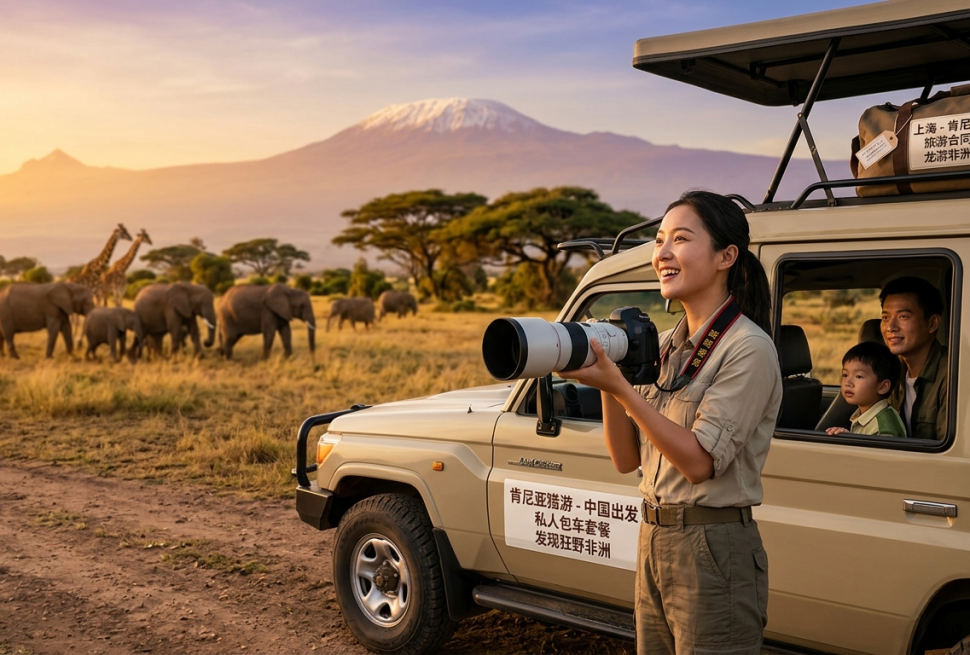
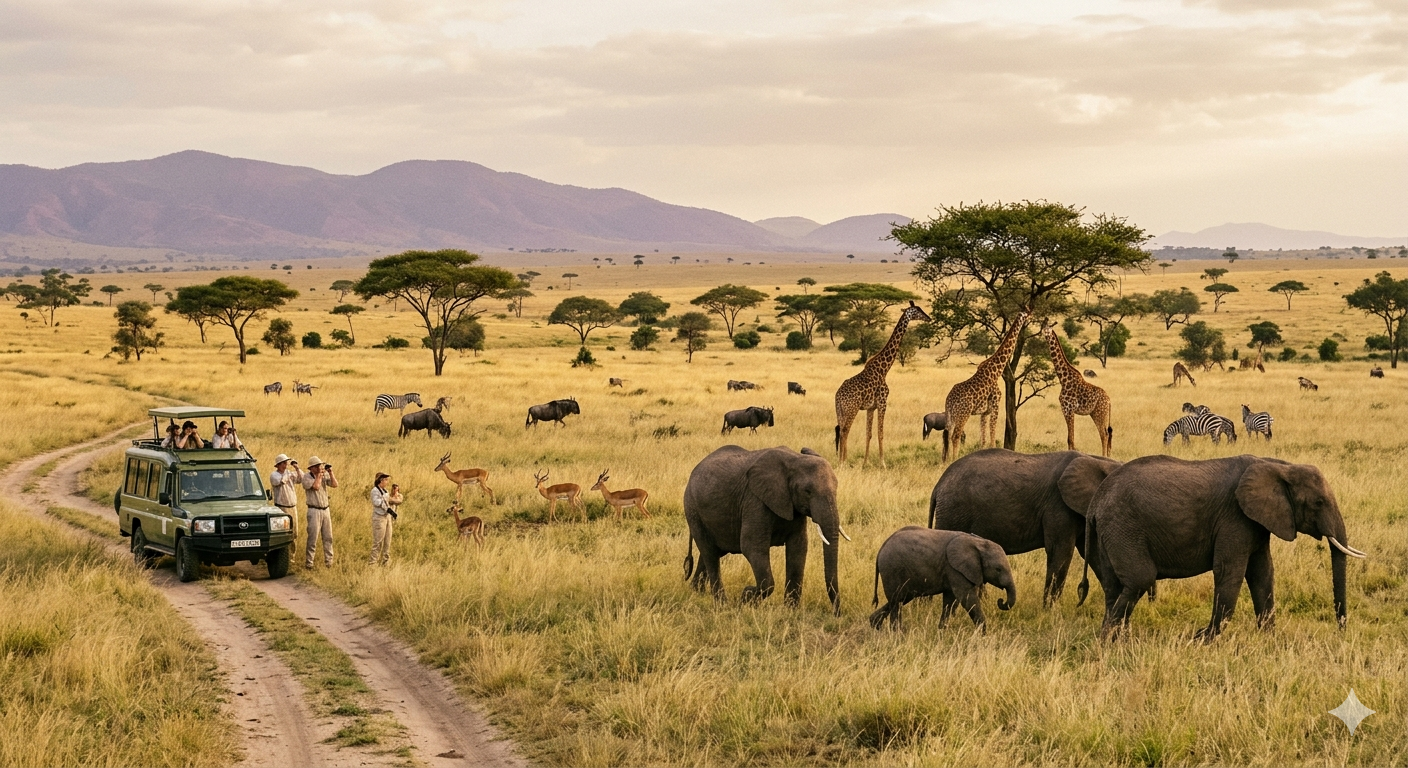
What animals can I see on an African safari? On a Kenya safari, you can see the Big Five (lion, leopard, elephant, rhino, buffalo), plus cheetahs, giraffes, zebras, hippos, crocodiles, wildebeest, hyenas, wild dogs, flamingos, and over 1,000 bird species across different parks. Amboseli is best for elephants. The Maasai Mara for big cats. Lake Nakuru for rhinos and flamingos.
How do I choose the best African safari operator? Look for operators that are licensed by Kenya’s tourism authority, have verifiable guest reviews on platforms like TripAdvisor, provide fully itemized quotes, have physical offices and local guides, and communicate clearly before you pay any deposit. Charming Safariz meets all of these criteria and has a strong track record with both local and international clients.
My Experience with African Safaris — Why Kenya Is Always My First Answer
Over many years working in Kenya’s travel industry, the question I get most often is: “Which African country should I choose for my first safari?” My answer has never changed — Kenya.
Not because I am Kenyan, but because Kenya genuinely delivers on every level. The wildlife is extraordinary. The guides are among the most knowledgeable and passionate in Africa. The parks are varied enough to keep even experienced safari travelers engaged. And the infrastructure — roads, lodges, airstrips, hospitals — gives you peace of mind that many other destinations cannot match.
I have sat with clients who arrived at the Maasai Mara nervous and uncertain, and watched them become completely transformed within the first hour of a game drive. When a lion crosses the road two meters from your window and simply looks at you without concern, something shifts in how you see the world.
At Charming Safariz, we have built our reputation on making that experience happen for every client — Kenyan residents booking a domestic safari, American couples planning a honeymoon, families from Europe, solo travelers from Asia. The itinerary changes. The quality does not.
We are based in Nakuru, Kenya, with direct relationships with the best lodges, guides, and conservancies across the country. When you book through us, you are not booking through a middleman. You are booking with people who drive these roads, know these guides by name, and have stayed in these camps ourselves.
Key Takeaways
- Kenya is the top destination for the best African safari experience in 2026, offering the Big Five, the Great Migration, and diverse ecosystems across 50+ national parks
- The best time for a safari in East Africa is July to October, with the green season (November to May) offering lower prices and fewer crowds
- A 7‑day safari costs between $2,500 and $8,000 per person on the ground depending on accommodation level and season
- Always book a licensed, reputable tour operator and verify reviews before paying any deposit
- Pack neutral-colored clothing, bring binoculars and a camera, and budget for guide tipping ($10 to $20 per day)
- Get required vaccinations including malaria prophylaxis at least 4 to 6 weeks before departure
- Purchase travel insurance that covers emergency medical evacuation — it is essential, not optional
- Kenya’s national parks are managed by the Kenya Wildlife Service, with fees updated periodically — confirm current rates at booking
- Charming Safariz is one of Kenya’s most trusted tour and travel companies for tailored safari itineraries and international ticketing
- Book peak season (July to August) accommodation at least 6 to 9 months in advance to secure the best lodges
Conclusion
The best African safari is not a single experience — it is a collection of moments that stay with you for the rest of your life. The dust rising behind a herd of elephants. The silence of the bush at 5 AM before a game drive. The exact second a cheetah breaks into a sprint across the Mara plain.
Kenya makes those moments more accessible, more consistent, and more affordable than almost any other destination on the continent. Whether you are a Kenyan planning your first local safari or an international traveler flying in from halfway around the world, the experience is within reach when you plan it properly.
If you are ready to start, we are ready to help. Drop a comment below with your questions, your dream destination, or your experience from a previous safari. And if you are serious about booking, reach out to us directly — the process is simpler than you think.
Plan Your Best African Safari with Charming Safariz
Charming Safariz is one of Kenya’s most trusted tour and travel companies for safaris, tours, and ticketing — serving local residents and international visitors alike. Our team in Nakuru, Kenya, builds personalized itineraries for every budget and travel style, from budget group safaris to private luxury experiences.
Request a Free, No-Obligation Quote and Custom Itinerary
Contact us today:
WhatsApp: +254 714 236 664
Email: enquiry@charmingsafariz.com
Office: Nakuru, Kenya
We look forward to helping you plan the safari of your life.
Sources and References
- Kenya Wildlife Service — National Parks and Conservation
- Magical Kenya — Official Kenya Tourism Website
- UNESCO World Heritage Centre — African Heritage Sites
- World Travel and Tourism Council — Africa Tourism Data
- IATA — International Aviation and Travel Connectivity
- TripAdvisor — Kenya Safari Reviews and Ratings
- Statista — Africa Tourism Revenue Statistics
- eCitizen Kenya — Kenya eTA and Government Digital Services
- Kenya National Bureau of Statistics
- Nation Africa — Kenya Travel and Tourism News