Quick View
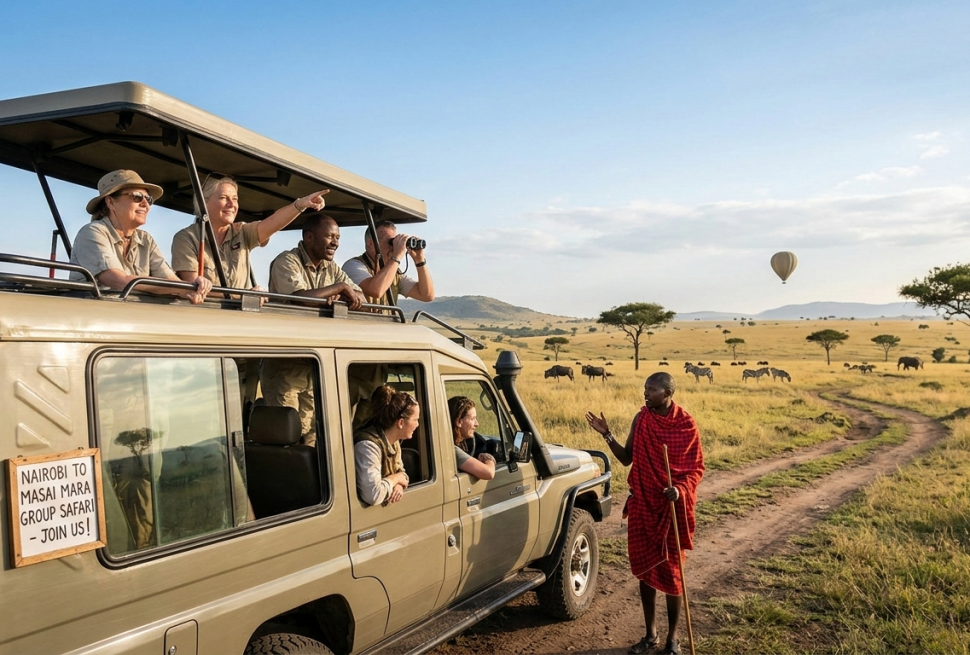
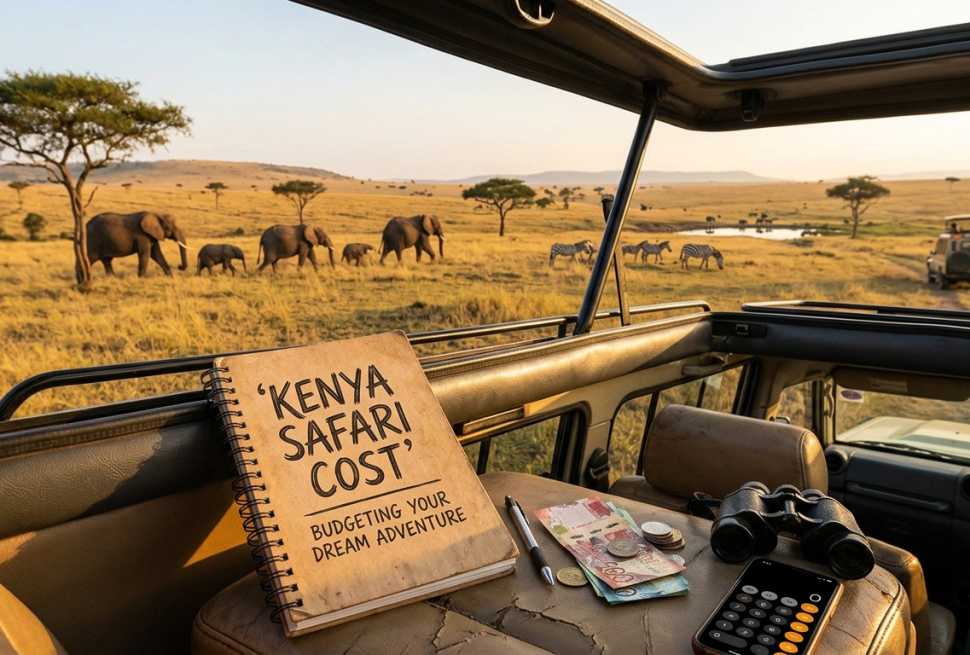
A budget safari in Masai Mara is achievable in 2026. A 3‑day package for Kenyan residents starts from as low as KSh 25,000–40,000 per person when travelling in a group. For international visitors, entry-level shared safaris start from around USD 350–650 per person for 3 days. Park fees for Kenyan citizens range from KSh 1,500 (low season) to KSh 3,000 (peak season) per adult per day. The best times to save money are January to June (low season), when accommodation costs drop significantly and the reserve is less crowded. Key money-saving strategies include travelling in a group to share vehicle costs, choosing camps outside the main reserve, going during the low season, and booking directly through a reputable local tour operator like Charming Safariz.
Introduction
The Masai Mara is one of those places you hear about your whole life. Whether you grew up watching wildlife documentaries or have simply seen breathtaking photos shared on social media, the Mara holds a special place in the imagination of every Kenyan and traveller worldwide.
But here is a question many Kenyans ask: “Is a Masai Mara safari only for rich tourists?”
The honest answer is no.
A budget safari in Masai Mara is real, achievable, and more rewarding than most people think. With the right plan, the right operator, and the right timing, you can witness lions, elephants, cheetahs, and the world-famous wildebeest migration without spending a fortune. This guide walks you through everything you need to know in 2026, from actual costs and park fees to money-saving tricks that even seasoned safari-goers miss. Whether you are a Kenyan resident looking for a local getaway or a visitor planning your first African wildlife experience, this is the guide for you.
What Is a Budget Safari in Masai Mara?
A budget safari in Masai Mara is an organised wildlife experience in the Masai Mara National Reserve designed to keep costs as low as possible without completely sacrificing comfort or quality. It typically involves shared safari vehicles, basic or mid-range tented camps, road transport from Nairobi instead of flights, and careful timing to avoid peak-season price surges.
The Masai Mara National Reserve covers approximately 1,510 square kilometres in Narok County, southwestern Kenya. It is home to the Big Five — lion, leopard, elephant, buffalo, and rhino — and is globally recognised as the stage for the Great Wildebeest Migration, one of nature’s most spectacular annual events. According to the Kenya Wildlife Service, the reserve is among the most biodiverse ecosystems on the African continent.
Key Facts About the Masai Mara
| Feature | Details |
|---|---|
| Location | Narok County, southwestern Kenya |
| Size | 1,510 sq km (main reserve) |
| Peak Season | July – October (Great Migration) |
| Low Season | November – June |
| Managed By | Narok County Government |
| Big Five Present? | Yes, year-round |
| Best Budget Window | January – June |
Budget safaris differ from luxury safaris mainly in accommodation style and vehicle arrangements. You will still enjoy the same wildlife, the same sunrises over the savannah, and the same thrill of encountering a pride of lions — just at a fraction of the cost.
Why Kenyans Should Experience the Masai Mara
Many Kenyans have never visited the Masai Mara despite it being one of the greatest natural wonders in their own country. The reasons are usually cost-related, but the reality is that Kenyan residents receive heavily discounted park entry fees that make the Mara far more accessible than most people realise.
Here is why a budget Masai Mara safari deserves a spot on your Kenya bucket list:
- You pay resident rates. As a Kenyan citizen, you pay KSh 1,500–3,000 per day compared to USD 100–200 for foreign tourists. That is a saving of over 90%.
- It is a patriotic experience. The Mara generates billions in tourism revenue that funds conservation and local communities. Visiting supports your own country.
- Wildlife is year-round. You do not have to come during the migration to have an incredible experience. Lions, cheetahs, elephants, and hippos are present throughout the year.
- It builds national pride. The Magical Kenya tourism board actively promotes local tourism for exactly this reason.
- It is a world-class experience. The World Travel & Tourism Council (WTTC) ranks Kenya among the top safari destinations globally. You have one of the world’s best wildlife reserves in your backyard.
- Schools and families can afford it. Student group rates and resident family discounts make the Mara accessible for school trips and weekend getaways.
- Group travel cuts costs dramatically. Sharing a safari vehicle across 6 people can reduce your per-person cost by as much as 60%.
View Our Top Kenya Safari Packages Ready to see the Masai Mara without overspending? Charming Safariz offers affordable, fully customised safari packages for residents and visitors alike. Browse Kenya Safari Packages
Types of Budget Safaris in the Masai Mara
Shared Group Safaris
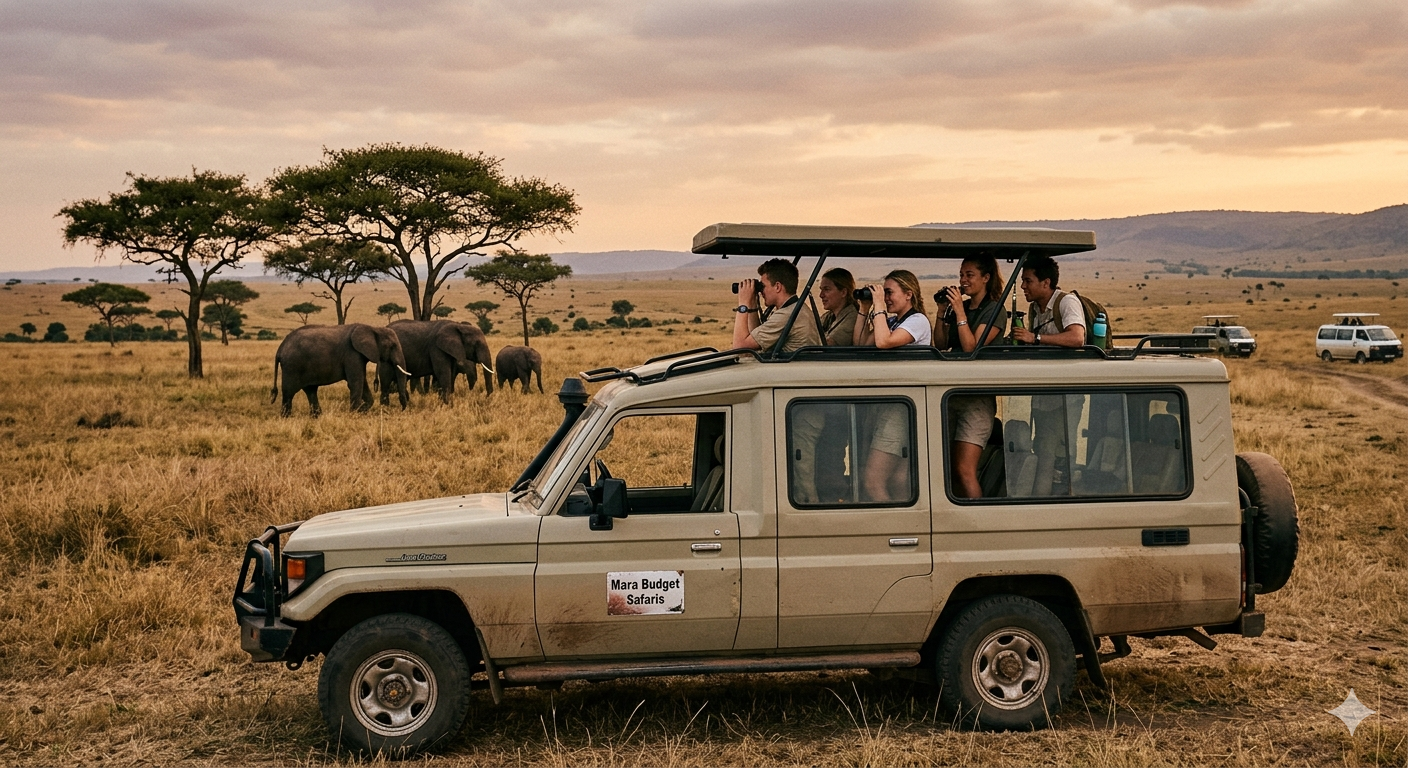
This is the most affordable option. You join other travellers in a shared safari minibus or 4x4 vehicle. Costs are split among the group, dramatically lowering the per-person price. This works well for solo travellers or couples who do not mind sharing the experience with others. Shared group safaris typically cost USD 350–650 per person for a 3‑day package for non-residents.
Private Budget Safaris
You hire a vehicle exclusively for your group. This is ideal for families or groups of 4–6 friends. While more expensive per person than a shared safari, you get flexibility on game drive timings, pace, and routes. Private budget safaris for 6 people can bring the per-person cost close to shared group prices, especially if you use a reputable local operator.
Self-Drive Safaris
Experienced travellers with a 4x4 vehicle can self-drive in the Masai Mara. You save on guide and vehicle hire costs but need solid navigation skills and wildlife knowledge. This option is best for Kenyan residents already familiar with the reserve.
Camping Safaris
Budget camping remains one of the cheapest ways to experience the Mara. Public campsites within the reserve charge residents KSh 1,000 per night for adults. You bring your own tent and supplies. It is a raw, authentic experience, though comfort is basic.
Budget Tented Camp Packages
These are the sweet spot for most budget safari travellers. Camps like Fisi Camp, Lenchada Tourist Camp, and Miti Mingi Eco Camp offer full-board accommodation just outside the main reserve at prices of USD 70–120 per person per night for non-residents. Kenyan residents often find even lower deals through local operators.
How to Plan a Budget Safari in Masai Mara: A Practical Checklist
Before booking anything, work through this checklist to avoid overspending:
- Decide on your travel dates (low season saves you the most)
- Confirm the number of people in your group (more people = lower cost per person)
- Set a clear budget per person including transport, accommodation, and park fees
- Choose road transfer over flights (saves USD 300–450 per person)
- Select camps outside the main reserve (entry fees still apply, but accommodation is cheaper)
- Confirm what is included in your package (park fees, meals, game drives)
- Book through a licensed, reputable Kenyan tour operator
- Carry your national ID (for resident rates) or valid passport
- Budget for tips separately (USD 5–15 per day for guides and camp staff)
- Arrange travel insurance before departure
Costs and Park Fees for a Masai Mara Safari in 2026
Understanding the real costs is essential to planning a budget safari in Masai Mara. The biggest surprise for many first-timers is that park entry fees are a major expense on top of the package price — especially for non-residents.
2026 Masai Mara Park Entry Fees
| Visitor Category | Low Season (Jan–Jun) | Peak Season (Jul–Dec) |
|---|---|---|
| Non-Resident Adults | USD 100 per day | USD 200 per day |
| Non-Resident Children (9–17 yrs) | USD 50 per day | USD 50 per day |
| Kenyan Citizens (Adults) | KSh 1,500 per day | KSh 3,000 per day |
| Narok County Residents (Adults) | KSh 1,000 per day | KSh 2,000 per day |
| East African Residents (Adults) | KSh 2,500 per day | KSh 5,000 per day |
| Children Under 8 Years | Free | Free |
Source: Narok County Government fee schedule, confirmed for 2026. Always verify current fees with the Kenya Wildlife Service before travel.
Full 3‑Day Budget Safari Cost Estimate
| Cost Item | Kenyan Resident (Group of 6) | Non-Resident (Shared Safari) |
|---|---|---|
| Road Transport (Nairobi–Mara–Nairobi) | KSh 3,000–5,000 | Included in package |
| Park Fees (3 days, low season) | KSh 4,500 | USD 300 |
| Accommodation (full board, 2 nights) | KSh 8,000–15,000 | USD 140–200 |
| Game Drives | Included | Included |
| Guide Tips | KSh 1,500–3,000 | USD 30–50 |
| Estimated Total Per Person | KSh 17,000–27,000 | USD 470–550 |
Note: Prices are estimates for low season. Peak season adds 30–50% to accommodation and significantly increases park fees for non-residents.
Step-by-Step Guide: How to Book a Budget Masai Mara Safari
Step 1: Set Your Budget Be honest about what you can afford all in, including transport to Nairobi, park fees, accommodation, tips, and any extras.
Step 2: Choose Your Travel Dates January to June offers the best value. Wildlife is abundant, crowds are thinner, and accommodation prices are at their lowest. April and May are especially affordable.
Step 3: Decide on Group Size The more people you travel with, the lower your per-person vehicle and transport costs. A group of 6 travelling together is the most cost-efficient setup.
Step 4: Select Your Accommodation Look for budget tented camps located near the Talek Gate or Sekenani Gate. These offer convenient reserve access at lower prices than camps deep inside the reserve. Always confirm full-board inclusion.
Step 5: Choose Road Transfer The drive from Nairobi to the Masai Mara takes approximately 5–6 hours. While flights are faster, they add USD 300–450 to your budget. For a 3‑day trip, road transfer is the smart budget choice.
Step 6: Book Through a Licensed Local Operator Work with a licensed Kenyan tour and travel company. Charming Safariz, based in Nakuru, specialises in affordable, customised Kenya safaris with full transparency on pricing and inclusions.
Step 7: Confirm What Is Included Always ask: Are park fees included? Is accommodation full board? Are game drives included? Are transfers from Nairobi included?
Step 8: Pack Appropriately Neutral-coloured clothing (khaki, green, brown), comfortable walking shoes, sunscreen, a hat, binoculars, and a camera with extra batteries are essential.
Step 9: Carry Your National ID Kenyan citizens must present a valid national ID at the gate to qualify for resident rates. Without it, you pay non-resident rates.
Step 10: Arrive and Enjoy Morning game drives typically begin around 6:30 AM. Afternoon drives start around 4:00 PM. These golden hours offer the best wildlife sightings.
Plan Your Dream Safari Today Charming Safariz is Kenya’s most trusted tour and travel company for affordable Masai Mara safaris and ticketing. Our Nakuru-based team builds packages around your budget, not the other way around. Browse Kenya Safari Packages
Common Mistakes to Avoid on a Budget Masai Mara Safari
Assuming park fees are included in the package price Many budget packages, especially shared group tours, exclude park entry fees. Always ask your operator to break down what is and is not included. Arriving at the gate without budgeted park fees can derail your entire trip.
Travelling during peak season on a tight budget July to October is when migration happens, but it is also when prices surge by 30–50% for accommodation and park fees double for non-residents. If witnessing the crossing is not your priority, go during low season for the same Big Five experience at a fraction of the cost.
Booking the cheapest package without checking reviews Ultra-cheap shared safaris that cut corners often result in overcrowded vehicles, poor food, and guides who rush game drives. Read reviews on platforms like TripAdvisor and ask for references before booking.
Forgetting to budget for tips Tips for your guide and camp staff are not optional — they form a significant part of workers’ income. Budget USD 5–15 per person per day for tips or the Kenyan shilling equivalent.
Not carrying your national ID Without a valid Kenyan national ID, you will be charged non-resident rates. A non-resident pays up to 15 times more than a Kenyan citizen in peak season. This single oversight can add thousands of shillings to your trip cost.
Choosing a camp too far from the reserve Some very cheap camps are located 30–45 minutes from the gate. You waste precious game drive time and fuel on the road. Choose camps within 15–20 minutes of the gate.
Skipping travel insurance Medical evacuation from the Mara can cost tens of thousands of shillings. A basic travel insurance policy protects you from unexpected emergencies.
Future Trends for Budget Safaris in the Masai Mara
The safari landscape is changing quickly. Here is what to watch in 2026 and beyond:
Rising Park Fees According to the Kenya National Bureau of Statistics (KNBS), tourism revenue from national reserves has grown year on year. Narok County implemented a significant fee increase in July 2024, raising non-resident adult rates from USD 80 to USD 200 during peak season. Further increases are likely in coming years as conservation costs rise and demand grows.
Digital Booking and eCitizen Payments The Kenyan government is pushing cashless payments for park fees through platforms like eCitizen Kenya. This means travellers should pre-register and pay fees online before arrival at the gate. Most reputable tour operators now handle this on your behalf.
Community Conservancies Growing Private conservancies bordering the main reserve — like Mara North, Olare Motorogi, and Naboisho — are offering unique experiences including night drives and walking safaris. While conservancy fees are higher (USD 90–120 per person per day), the exclusive access and off-road driving can be worth it for longer stays.
Eco-Friendly Camps on the Rise More sustainable, solar-powered budget camps are opening near the reserve. These not only reduce costs through energy savings but appeal to environmentally-conscious travellers. This trend aligns with global sustainability goals tracked by organisations like UNESCO.
Group Tours for Kenyans Increasing Local travel companies are reporting growing demand for resident group safaris. Younger Kenyans, particularly from Nairobi, are increasingly choosing weekend Mara trips. This is driving competition among operators and slowly bringing local package prices down.
Quick Poll Question When would you most prefer to go on a budget safari in Masai Mara?
- January to March (dry season, great weather, lower costs)
- April to June (green season, very low costs, fewer tourists)
- July to September (Great Migration, high costs but spectacular wildlife events)
- October to December (post-migration, shoulder season deals)
Most budget-conscious travellers choose April to June for the best value. However, July to October remains the most popular overall. See the answer breakdown at the end of this post.
Frequently Asked Questions About Budget Safari in Masai Mara
How much does a budget safari in Masai Mara cost in 2026? For Kenyan residents, a 3‑day budget safari including park fees, transport, and basic accommodation costs approximately KSh 17,000–27,000 per person when travelling in a group. For international visitors on a shared group package, budget USD 470–650 per person for 3 days during low season.
What is the cheapest time to visit the Masai Mara? April to June is the cheapest period. Accommodation prices drop by 20–40%, park fees remain at their low-season rates, and the reserve is less crowded. Wildlife is still abundant, and the landscape is lush and green after the rains.
Are park fees included in budget safari packages? Not always. Many budget packages, especially at the lower end, exclude park entry fees. Always ask your tour operator to confirm exactly what is included before booking. Charming Safariz provides full, transparent pricing with no hidden costs.
Do Kenyans pay less to enter the Masai Mara? Yes. Kenyan citizens pay KSh 1,500–3,000 per adult per day, compared to USD 100–200 for non-residents. This is roughly a 90% saving. You must carry your national ID to qualify for citizen rates.
Can I do a budget safari without a tour operator? Yes, if you have a reliable 4x4 vehicle, a valid Kenyan national ID, and experience navigating in the bush. Self-drive is cheaper in terms of guide and vehicle costs but requires careful preparation. First-time visitors are strongly advised to use a licensed operator for safety and wildlife knowledge.
What is the minimum number of days for a meaningful Masai Mara safari? Most safari experts recommend a minimum of 3 days and 2 nights to fully appreciate the reserve. This gives you at least four game drives — two in the morning and two in the afternoon — maximising your wildlife sighting opportunities.
My Experience Planning a Budget Mara Safari
I have been involved in Kenya tourism and travel for several years, and I can tell you that the most common regret I hear from first-time Masai Mara visitors is not spending more money — it is not going sooner.
One of the most memorable budget safaris I helped plan was for a group of eight Kenyans from Nakuru. They had always assumed the Mara was “for foreigners.” We put together a 3‑day package — road transfer, a comfortable tented camp near Sekenani Gate, all meals included, and two game drives per day. Total cost: around KSh 22,000 per person, park fees included.
By 7:00 AM on their first morning, they were watching a cheetah chase a gazelle less than 50 metres from their vehicle. One of them called it the greatest experience of his life.
That is what a budget safari in Masai Mara can deliver. It is not about luxury. It is about proximity to nature, the sound of the savannah at dawn, and the privilege of watching wildlife in its most natural setting. Planning matters enormously — choose the right operator, go in the right season, travel in a group, and the Mara becomes one of the most affordable bucket-list experiences available to any Kenyan.
Key Takeaways
- A budget safari in Masai Mara in 2026 starts from approximately KSh 17,000 per person for Kenyan residents or USD 470 for international visitors on a 3‑day shared package during low season.
- Kenyan citizens pay KSh 1,500–3,000 per day in park fees, while non-residents pay USD 100–200 per day depending on the season.
- Travelling in a group of 4–6 people is the most effective way to reduce per-person costs.
- Low season (January to June) offers the best value without sacrificing wildlife quality.
- Road transfer from Nairobi saves USD 300–450 compared to flying.
- Always confirm whether park fees, meals, game drives, and transfers are included in your quoted package price.
- Carry your Kenyan national ID to access resident park fees at the gate.
- Budget separately for tips (KSh 500–1,500 per day for guide and camp staff).
- Book through a licensed, reputable local operator for the best value and safety.
- Charming Safariz, based in Nakuru, is among the most trusted tour companies in Kenya for affordable Masai Mara packages and travel ticketing.
Conclusion
The Masai Mara is not just a destination for international tourists or the wealthy. It is Kenya’s crown jewel — and with the right planning, it is fully within reach on a budget. A budget safari in Masai Mara in 2026 means making smart choices: going in low season, travelling in a group, using road transport, staying in quality budget camps, and booking through a transparent, reputable operator.
Charming Safariz has helped hundreds of Kenyans and international visitors experience the Mara without financial stress. Our team in Nakuru builds every package around your real budget with full pricing transparency — no hidden charges, no nasty surprises at the gate.
Have you been on a budget Masai Mara safari? Share your experience, ask a question, or leave a comment below. We would love to hear your story — and we are here to help you plan your next one.
Plan Your Safari With Charming Safariz
Charming Safariz is Kenya’s leading tour and travel company for affordable safaris and ticketing. Whether you are planning your first Masai Mara trip or looking for a customised multi-park itinerary, our team is ready to help you make it happen.
Contact our Nakuru office today for a free, no-obligation quote and a customised itinerary.
WhatsApp: +254 714 236 664
Email: enquiry@charmingsafariz.com
Office: Nakuru, Kenya
Request Your Free Safari Quote Here
Sources and References
- Kenya Wildlife Service (KWS) — Official Park Conservation Authority
- Magical Kenya — Kenya Tourism Board
- World Travel & Tourism Council (WTTC) — Global Tourism Data
- UNESCO World Heritage Centre — Biodiversity and Conservation
- Kenya National Bureau of Statistics (KNBS) — Tourism Revenue Data
- eCitizen Kenya — Park Fee Payment Portal
- TripAdvisor — Safari Reviews and Camp Ratings
- Nation Africa — Kenya Travel and Tourism News
Poll Answer: Most budget-conscious safari travellers prefer April to June for the Masai Mara. You get lush green landscapes, abundant wildlife, significantly reduced accommodation rates, and low-season park fees — all without the peak-season crowds. However, if witnessing the wildebeest river crossings is your priority, July to September remains the most sought-after period despite the higher costs.