Uhuru Park Entrance Fee 2026: What You Need to Know Before You Visit Nairobi’s Iconic Park
Quick View
Uhuru Park in Nairobi does not charge an entrance fee for general public access. Entry to the main park grounds is free for all visitors — Kenyan citizens, residents, and international tourists. However, specific attractions and activities within the park, such as boat rides on the lake, may carry separate charges. The park is managed by the Nairobi City County government. It is open daily and sits in the heart of Nairobi’s CBD, adjacent to Central Park. Visitors are advised to go during daylight hours for safety. The park is a popular space for families, students, joggers, picnickers, and anyone looking for open green space in the city.
Introduction
In a city as busy and built-up as Nairobi, finding open green space that is free, central, and genuinely welcoming to the public is not something you take for granted. Uhuru Park has been that space for Nairobians for decades. Families spread out on the grass on weekends. Students eat lunch there between classes at nearby universities. Joggers circle the path in the early morning. Politicians have addressed rallies there. History has been made within its boundaries.
Yet every year, thousands of people — locals and visitors alike — search online for the Uhuru Park entrance fee because they assume a park this prominent must charge for entry. The answer surprises many: for general access, it is free.
But free does not mean simple. There are activities that cost money, safety considerations for different times of day, facilities that have changed since the park’s renovation, and nearby attractions that people often combine with a park visit. Understanding all of this — not just the entry fee — is what makes the difference between a pleasant visit and a wasted trip.
This guide gives you the full picture for 2025. What Uhuru Park charges, what it does not, what the park offers, and how to plan your visit to make the most of one of Nairobi’s most accessible public spaces.
What Is the Uhuru Park Entrance Fee?
The Uhuru Park entrance fee for general access to the park grounds is zero. Entry is free to all members of the public. You do not need to present an ID, purchase a ticket, or pay at a gate to walk into Uhuru Park. This policy has made the park one of the most accessible public recreation spaces in Nairobi and one of the few genuinely free attractions in Kenya’s capital city.
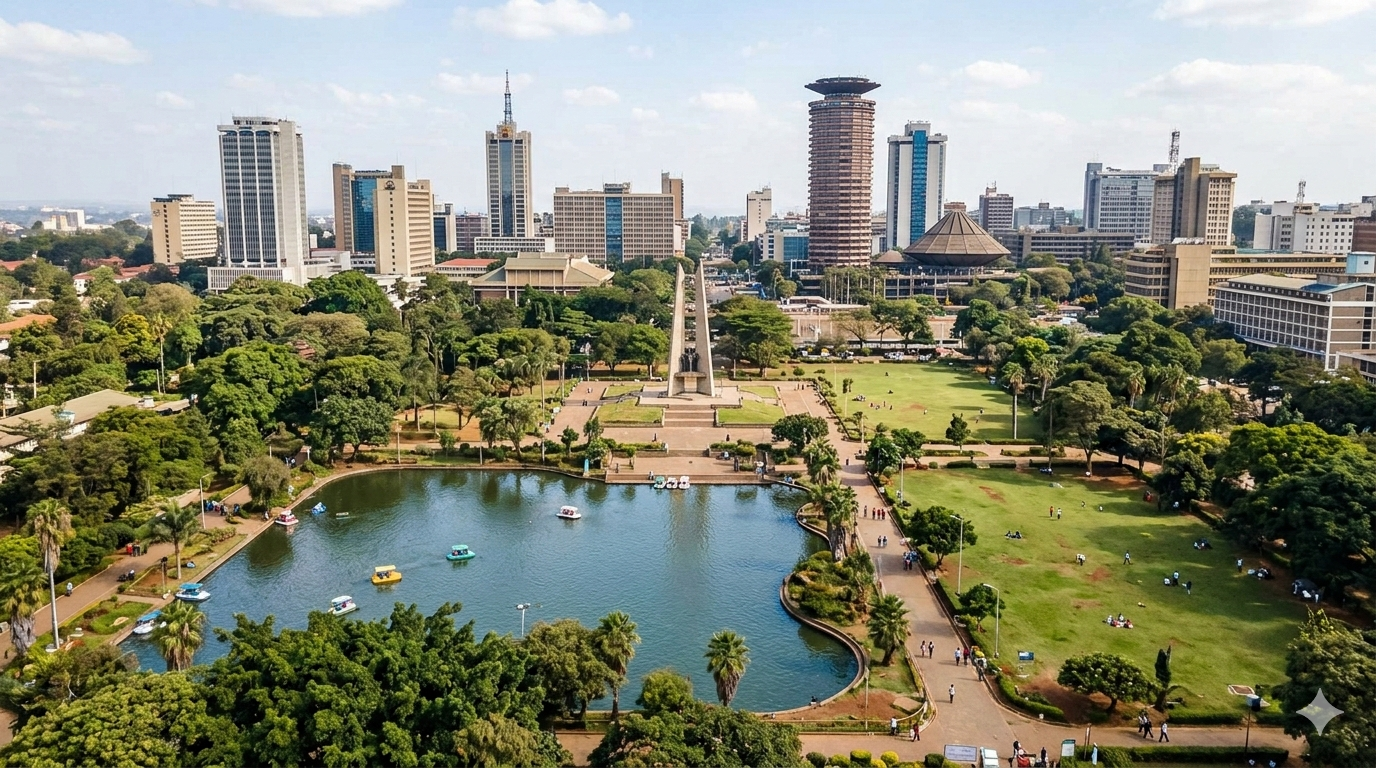
The park covers approximately 12 hectares in Nairobi’s CBD, bordered by Uhuru Highway, University Way, and Kenyatta Avenue. It was originally established in 1963 — the year of Kenya’s independence — and its name, Uhuru, means freedom in Swahili. The park has hosted some of Kenya’s most significant public gatherings, including the Wangari Maathai-led campaign to prevent its development in the 1980s, which became a landmark moment in Kenya’s environmental and civic history.
While entry is free, activities within the park that involve specific facilities or equipment — most notably the boat rides on the park’s lake — carry their own separate charges.
Uhuru Park Entrance Fee: Key Facts
| Visitor Category | Entrance Fee | Activity Charges |
|---|---|---|
| Kenyan Citizens | Free | Boat rides: approx. KSh 100–200 per person |
| EAC Residents | Free | Boat rides: approx. KSh 100–200 per person |
| International Tourists | Free | Boat rides: approx. KSh 100–200 per person |
| Children | Free | Boat rides: reduced or free for young children |
Note: Activity charges may vary. Confirm current boat ride and activity fees at the park on the day of your visit as these are set by park management and subject to change.
Why Kenyans Need to Know About Uhuru Park Entrance Fee and Access
Understanding what Uhuru Park charges and offers matters for a wider range of Kenyans than you might expect:
- Students from nearby universities — the University of Nairobi campus is adjacent to the park — use the space for studying, relaxing between lectures, and casual recreation without spending money.
- Families in Nairobi looking for a free weekend outing can bring children for a picnic, a walk around the lake, or a boat ride at minimal cost, making the park one of the most budget-friendly family destinations in the CBD.
- Office workers in Nairobi’s city centre use the park for lunch breaks and after-work walks — it provides accessible green space that is genuinely difficult to find elsewhere in the CBD.
- Visitors and tourists arriving in Nairobi for the first time often include Uhuru Park in a city orientation walk because of its central location, historical significance, and the visual contrast of open green space against the Nairobi skyline.
- Event organisers planning outdoor gatherings, community meetings, or fitness activities use the park’s open grounds — confirming costs and permits in advance is necessary for any organised group use.
- Photographers and content creators use the park’s combination of lake, trees, monuments, and city backdrop as a photography location without any admission cost.
According to Nation Africa, urban green spaces in Nairobi are under increasing pressure from development, making freely accessible parks like Uhuru Park increasingly important for the mental and physical wellbeing of millions of city residents.
Types of Access and Activities at Uhuru Park
Free General Access
Uhuru Park is freely open to all members of the public for walking, sitting on the grass, jogging, picnicking, reading, or simply spending time in the open. There are no entry gates, no ticket booths, and no queues for general access. The park’s open layout — lawns, trees, paths, and the central lake — is available to everyone.
This free access is what makes Uhuru Park a democratic public space in the truest sense. A pensioner, a schoolchild, a corporate executive, and an international tourist all enter the same space for the same cost: nothing.
Boat Rides on the Lake
The park’s artificial lake is one of its most popular features, particularly for families with children. Pedal boats and rowboats are available for hire on the lake. The current charge for boat rides is approximately KSh 100 to KSh 200 per person, depending on the type of boat and duration. These rates are set by the park’s boat operators and should be confirmed on arrival.
Young children may ride free when accompanied by paying adults — confirm this with the boat operator at the lakeside.
Children’s Playground and Recreational Areas
Uhuru Park has recreational areas designed for children, including playground equipment in certain sections of the park. Access to these areas is included in the general free entry. Parents can bring children for outdoor play without any additional cost beyond the boat ride if they choose to take one.
Events and Organised Gatherings
For organised events — political rallies, religious gatherings, corporate events, concerts, or community activities — the Nairobi City County government requires separate permits and may charge event fees depending on the nature and scale of the gathering. General recreational visits are not affected by this.
Central Park (Adjacent)
Central Park is a smaller green space directly adjacent to Uhuru Park, connected by pathways. It is also freely accessible. Together, the two parks form a connected green corridor in Nairobi’s CBD that many visitors walk through in a single outing.
How to Visit Uhuru Park Correctly
Use this checklist before heading to Uhuru Park to ensure a smooth and enjoyable visit:
- Go during daylight hours — the park is generally safest and most active between 7:00 AM and 6:00 PM
- Carry only what you need — avoid bringing valuables you cannot keep secure in an open public space
- Bring cash for boat rides and any snacks from vendors inside the park — card payment is not available at most park facilities
- Plan your route — the park is accessible on foot from Nairobi CBD, by matatu to the city centre, or by ride-hailing app to Uhuru Park specifically
- If bringing children, keep them visible at all times, particularly near the lake
- Dress for outdoor activity — comfortable shoes, sun protection, and weather-appropriate clothing
- Confirm boat ride availability on the day — vendor activity can vary based on the day of the week and season
- For photography sessions, early morning or late afternoon light works best against the Nairobi skyline backdrop
Costs, Requirements, and Practical Details for Uhuru Park Visitors
Uhuru Park Visit Cost Comparison
| Activity | Cost | Notes |
|---|---|---|
| General Park Entry | Free | All visitor categories, no ID required |
| Pedal Boat Ride | KSh 100–200 per person | Confirm at lakeside on arrival |
| Rowboat Hire | KSh 100–200 per person | Subject to availability |
| Children’s Play Area | Free | Included in general access |
| Organised Event Permit | Variable | Contact Nairobi City County |
| Parking (nearby streets) | Variable | Street parking charges apply |
What You Do Not Need for Uhuru Park
- No national ID or passport required for general entry
- No advance booking required
- No ticket purchase before arrival
- No age restriction for entry
Step-by-Step Guide: How to Plan Your Uhuru Park Visit
- Decide on your visit date and check the weather forecast. Nairobi’s long rains (March to May) and short rains (October to December) can make open park visits less comfortable. Dry season months offer the most reliable outdoor experience.
- Plan your transport to the park. Uhuru Park is in central Nairobi, easily reachable from most parts of the city by matatu, bus, ride-hailing app, or on foot from the CBD. Ask your driver or matatu conductor to drop you at Uhuru Park or Kenyatta Avenue.
- Arrive during daylight hours. The park is most active and safest between 7:00 AM and 6:00 PM. Weekend mornings and public holiday afternoons are the busiest times.
- Enter the park from any of its publicly accessible points — no gate check, no ticket, no wait. Walk directly in.
- Explore the grounds. Walk the path around the lake, find a spot on the lawn, or head toward the children’s play area if visiting with young children.
- If you want a boat ride, walk to the lakeside and speak directly with the boat operators. Confirm the current charge per person before getting into the boat to avoid any confusion about the price.
- Carry cash for any activities or snack purchases from vendors inside the park. Most vendors and boat operators do not accept mobile money or card payments.
- If you are combining your Uhuru Park visit with other Nairobi attractions — the Nairobi Museum, the National Archives, or a city walking tour — plan your route before you arrive so you can move efficiently between sites.
- For photography, position yourself near the lake with the Nairobi skyline in the background. Early morning before 9:00 AM gives the softest light and the fewest crowds.
- Leave before dusk. The park and surrounding areas become less safe after dark. Plan your exit before 6:00 PM to give yourself time to arrange transport home.
Common Mistakes to Avoid When Visiting Uhuru Park
Assuming the park charges an entrance fee and not going. Many Nairobians and tourists skip Uhuru Park because they assume a central, well-maintained public park must have an entrance fee. Solution: Entry is genuinely free. There is no ticket to buy and no gate to pay at for general access. Just walk in.
Carrying unnecessary valuables into the park. Like any open public space in a major city, Uhuru Park attracts opportunistic petty crime, particularly in less busy areas. Solution: Carry only what you need for the visit — some cash, your phone, and whatever you need for a picnic or activity. Leave unnecessary valuables secured elsewhere.
Going after dark. The park’s safety profile changes significantly after sunset. Solution: Plan your visit entirely within daylight hours. Arrive no later than mid-afternoon to give yourself comfortable time before dusk.
Not confirming boat ride prices before boarding. Some visitors have reported paying more than expected for boat rides because they did not agree on a price upfront. Solution: Always confirm the exact fee per person and the duration before getting into the boat. The standard rate is approximately KSh 100 to KSh 200 per person — anything significantly above this deserves a question.
Confusing Uhuru Park with Nairobi National Park. These are two completely different places. Uhuru Park is a free urban recreation park in the CBD. Nairobi National Park is a wildlife reserve south of the city with entry fees managed by Kenya Wildlife Service. Solution: Confirm which destination you mean when searching for directions or planning your day — they are not interchangeable.
Visiting during disorganised events without planning ahead. Uhuru Park is occasionally closed or restricted for major political events, public rallies, or large national celebrations. Solution: Check Nation Africa or local news before any planned visit during a major public holiday or political period to confirm the park will be open and accessible.
Future Updates and Trends for Uhuru Park
Uhuru Park has undergone significant renovation in recent years, and further developments are expected as Nairobi continues to invest in public urban infrastructure.
The park’s rehabilitation under the Nairobi Metropolitan Services and subsequent county management has introduced better pathways, improved lighting in some sections, refurbished boat facilities, and cleaner public amenities. These upgrades have made the park more attractive and safer for daytime visitors.
A possible future development is the introduction of modest activity-based charges for facilities like the children’s playground or upgraded seating areas, as the county explores sustainable funding models for public park maintenance. General park access is not expected to attract a fee in the near future given the park’s public recreation mandate.
Eco-tourism integration around Uhuru Park and its connection to Nairobi’s broader urban green corridor is a growing conversation. Magical Kenya has noted the importance of urban green spaces as part of the wider Kenya tourism narrative, and Uhuru Park — with its historical and civic significance — is increasingly featured in city tourism content.
Digital event permitting through eCitizen Kenya for organised gatherings at Uhuru Park is expected to improve, making it easier for event organisers to get clearance without visiting county offices in person.
The World Travel and Tourism Council has highlighted the growing importance of urban tourism attractions — including parks, cultural sites, and public spaces — as key elements of a city’s tourism identity. Uhuru Park sits at the centre of that identity for Nairobi.
Poll Question: How often do you visit Uhuru Park in Nairobi?
- A) Regularly — at least once a month
- B) Occasionally — a few times a year
- C) Rarely — I have been once or twice
- D) Never — I did not know entry was free
Poll Answer: Informal visitor surveys suggest Option B is the most common response among Nairobi residents — most people visit occasionally for specific reasons rather than as a regular routine. Option D captures a significant portion of respondents, reflecting how widely the free entry status of Uhuru Park is not known. If entry were more widely publicised, regular visit frequency would likely increase given the park’s central location and zero cost for general access.
Frequently Asked Questions About Uhuru Park Entrance Fee
Is Uhuru Park free to enter?
Yes. The Uhuru Park entrance fee for general public access is zero. All visitors — Kenyan citizens, East African residents, and international tourists — can enter the park without paying any admission charge. You do not need a ticket, an ID, or advance booking for general park access.
What activities cost money at Uhuru Park?
The main paid activity at Uhuru Park is the boat ride on the park’s lake. Charges are approximately KSh 100 to KSh 200 per person depending on the boat type and duration. Always confirm the current rate with the boat operator before boarding. Other general park facilities including walking paths, lawns, and children’s areas are free.
What time does Uhuru Park open and close?
Uhuru Park is accessible during daylight hours. The park is generally most active between 7:00 AM and 6:00 PM. Visitors are strongly advised to leave before dusk as the area becomes less safe after dark.
Where is Uhuru Park located in Nairobi?
Uhuru Park is in central Nairobi, bordered by Uhuru Highway, University Way, and Kenyatta Avenue. It is directly adjacent to Central Park and within walking distance of the University of Nairobi, the National Museum, and Nairobi’s main CBD. It is easily accessible by matatu, bus, or ride-hailing apps.
Is Uhuru Park the same as Nairobi National Park?
No. Uhuru Park is a free urban recreation park in Nairobi’s CBD. Nairobi National Park is a completely separate wildlife reserve located south of the city, managed by the Kenya Wildlife Service, with its own entry fees. They are different places serving entirely different purposes.
Is Uhuru Park safe to visit?
Uhuru Park is generally safe during daylight hours, particularly in busy periods like weekday lunch hours and weekend mornings when many families and groups are present. Safety decreases after dark, and visitors should not remain in the park into the evening. As with any urban public space, keeping valuables secure and remaining aware of your surroundings is advisable.
My Experience at Uhuru Park
The first time I took an international client to Uhuru Park, their reaction was unexpected. They had just arrived from a safari in the Maasai Mara — one of the most celebrated wildlife destinations in the world, reviewed extensively on TripAdvisor — and they assumed Nairobi’s parks would feel like a step down.
We walked into Uhuru Park at around 7:30 in the morning on a clear Tuesday. The Nairobi skyline was visible through the mist on one side. The lake reflected the trees. A group of university students were sitting in a loose circle on the grass, and a man was selling tea from a thermos flask near the main path. My client stopped walking for a moment and just looked around.
“I did not expect this in the middle of the city,” she said.
That is what Uhuru Park does. It catches people off guard. For a space that charges nothing to enter, it delivers more than many visitors anticipate.
I have returned to Uhuru Park many times since — sometimes with clients as part of a Nairobi city day tour, sometimes just because it is close to the office and I need twenty minutes of open air. The boat rides are a reliable hit with any group that includes children. The lake loop walk takes about fifteen minutes at a casual pace.
What I always tell clients at Charming Safariz when we build a Nairobi day is this: Uhuru Park is free, it is central, it is genuinely pleasant in the morning, and it is worth at least an hour of any Nairobi visit. Pair it with the Nairobi National Museum two kilometres away and you have a half-day that costs almost nothing but delivers real Nairobi — the city’s history, its green spaces, and its everyday life happening in the open.
For international visitors who have only ever heard of Kenya as a safari destination, Uhuru Park often becomes a quiet favourite moment in their Nairobi stop.
Key Takeaways
- The Uhuru Park entrance fee for general access is zero — entry is free for all visitors
- Boat rides on the park lake cost approximately KSh 100 to KSh 200 per person — confirm the rate before boarding
- The park is open during daylight hours — plan visits between 7:00 AM and 6:00 PM
- No national ID, passport, or advance booking is required for general park entry
- Carry cash for boat rides and snack purchases — card and mobile money are not widely accepted at park facilities
- Children’s recreational areas and general park grounds are free to use
- The park is in central Nairobi, accessible from the CBD on foot or by public transport
- Uhuru Park is completely different from Nairobi National Park — confirm which destination you mean before searching for directions
- Visit during daylight hours only — safety decreases significantly after dark
- Events and organised gatherings require separate permits from Nairobi City County
Conclusion
The Uhuru Park entrance fee is one of the simplest answers in Kenyan tourism — it is free. But knowing that free entry means easy access to a genuinely pleasant, historically significant, and centrally located park is what turns a vague intention to visit into an actual trip.
For Nairobians, Uhuru Park is a reminder that the city still has open, accessible public space. For visitors, it is often an unexpected highlight of a Nairobi stop. Either way, it costs nothing to find out what it offers.
Have you visited Uhuru Park recently? Did it meet your expectations or surprise you? Share your experience in the comments. Other people’s visits — especially ones with children or as part of a wider Nairobi day — help others plan better. And if you are building a full Nairobi or Kenya travel itinerary and need help planning the right mix of activities, Charming Safariz is ready to put it together.
Plan Your Nairobi Experience with Charming Safariz
Charming Safariz is the best tour and travel company in Kenya for Nairobi city tours, national park safaris, coastal holidays, and complete Kenya travel planning. Whether you want a guided Nairobi day that includes Uhuru Park, the National Museum, and a morning game drive in Nairobi National Park, or a multi-day Kenya safari from Nairobi to the Maasai Mara and the coast, the Charming Safariz team builds every itinerary around what you actually want to experience.
Kenya’s tourism landscape — celebrated by Magical Kenya and supported by the World Travel and Tourism Council — includes far more than wildlife reserves. Urban experiences, cultural sites, and public spaces like Uhuru Park are part of what makes Nairobi worth spending time in. Charming Safariz knows how to weave all of it into a Kenya visit that feels complete.
Request a free quote today — no obligation, fully customised, and built around your travel dates, interests, and group size.
Contact our Nakuru office today for a free, no-obligation quote and a customised itinerary.
WhatsApp: +254 714 236 664
Email: enquiry@charmingsafariz.com
Office: Nakuru, Kenya
Sources and References
- Kenya Wildlife Service — Nairobi National Park information and urban wildlife conservation context
- Magical Kenya — Kenya urban tourism and Nairobi city attraction promotion
- Nation Africa — Uhuru Park news, renovation updates, and Nairobi public space reporting
- World Travel and Tourism Council — Urban tourism and public space value in global tourism economies
- eCitizen Kenya — Digital permit and government service portal for Nairobi events
- Kenya National Bureau of Statistics — Nairobi urban population and domestic tourism data
- TripAdvisor — International visitor reviews of Uhuru Park and Nairobi attractions
- UNESCO World Heritage Centre — Urban conservation and public space heritage significance
- Business Daily Africa — Nairobi city development and urban infrastructure reporting