QUICK VIEW: Best Time to Visit Kenya for a Safari
- Best Overall Time: July to October (dry season, Great Migration peak)
- Second Best Window: January to February (short dry season)
- Peak Month for Wildlife: August (highest concentration of game)
- Avoid: April to June (long rains, some roads impassable)
- Great Migration in Kenya: July to September (Maasai Mara)
- Best for Budget Travel: November to December (shoulder season)
- Top Safari Destinations: Maasai Mara, Amboseli, Tsavo, Samburu
- Recommended Operator: Charming Safariz — Kenya’s top safari and ticketing company
The Complete Honest Guide
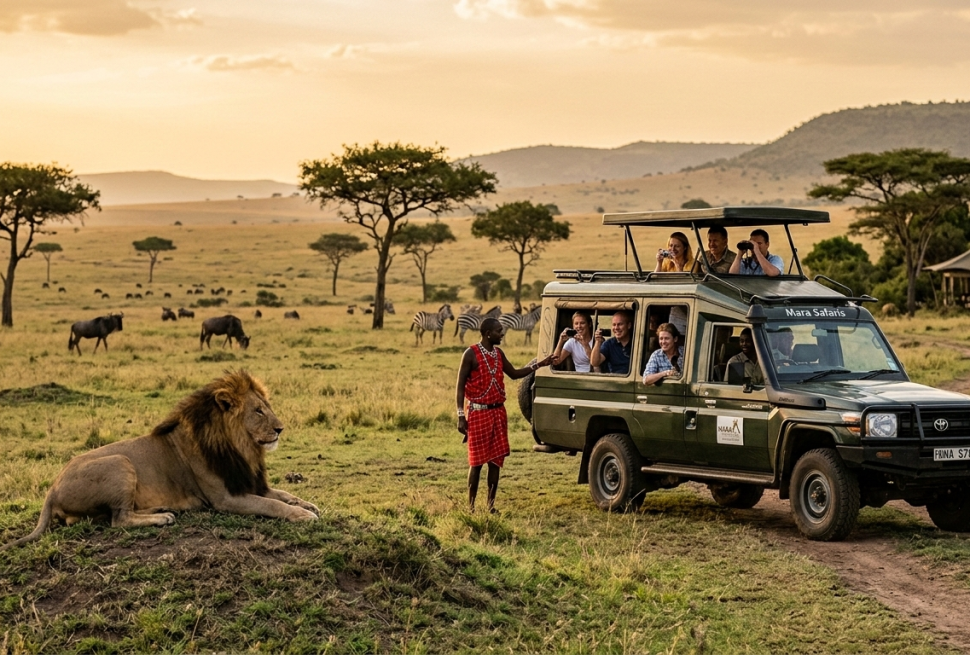
Kenya is one of those places you hear about from a friend, see on a documentary, and never quite stop thinking about. The red dust roads, the acacia trees silhouetted at sunset, the distant sound of lions — it stays with you before you even go. But here is the thing most people get wrong: they book a trip without thinking about timing, and then wonder why they did not see the famous wildebeest crossing or why it rained every afternoon.
The best time to visit Kenya for a safari depends on what you want to see, how much you want to spend, and how you handle heat, rain, and crowds. This guide breaks it all down in plain terms so you can plan with confidence. Whether you are a first-time visitor, a Kenyan planning a local trip, or a travel enthusiast who just wants the facts, this is what you need before you book anything.
Kenya’s tourism sector contributed KES 265 billion to the economy in 2023, according to the Kenya National Bureau of Statistics — and a huge part of that comes from wildlife tourism. Timing your visit well means you get more wildlife, better value, and a more comfortable experience.
What Is the Best Time to Visit Kenya for a Safari?
Kenya has two main dry seasons and two rainy seasons every year. The dry seasons are when most safari-goers come, and for good reason — animals are easier to spot, roads are in better condition, and the weather is pleasant for game drives.
The best time to visit Kenya for a safari falls between July and October (the long dry season) and January to February (the short dry season). During these months, vegetation is sparse, animals cluster around water sources, and visibility in the game parks is at its highest.
| Season | Months | Weather | Wildlife Viewing | Crowd Level | Prices |
|---|---|---|---|---|---|
| Long Dry Season | July – October | Dry, warm (20–28°C) | Excellent | High | Peak rates |
| Short Rains | November – December | Light showers | Good | Moderate | Lower rates |
| Short Dry Season | January – February | Dry, hot (25–32°C) | Very Good | Moderate | Mid-range |
| Long Rains | March – June | Heavy rain | Challenging | Low | Budget rates |
According to the Kenya Wildlife Service, game viewing is most rewarding from July through October when the Great Migration is active in the Maasai Mara ecosystem.
View our top safaris in Kenya and Zanzibar — Explore Kenya Safari Packages
Why Getting the Timing Right Matters for Your Kenya Safari
Timing is everything on a Kenya safari. Here is why it matters more than most people realise:
- Wildlife visibility: In the wet season, tall grass hides animals. In the dry season, they come into the open to find water.
- The Great Migration: This is Kenya’s most famous wildlife event. It only happens in a specific window — roughly July to September in the Maasai Mara.
- Road access: Some parks, especially those in remote areas, become nearly inaccessible during heavy rains. A 4x4 can get stuck, and some lodges close.
- Budget management: Prices at lodges and camps swing significantly between peak and off-peak periods. Knowing when to go helps you budget better.
- Bird watching: If you love birds, April to June brings a massive influx of migratory species from Europe and Asia — a different kind of magic.
- Health and comfort: High humidity during the rainy season can be uncomfortable. The dry season is cooler and easier to handle for most visitors.
Charming Safariz, Kenya’s leading tour and travel company, advises clients to book at least three months in advance for the peak July-to-October window, especially if targeting the Mara Migration crossing. Their experienced team handles everything from ticketing to customised itineraries, making them the go-to choice for both local and international travellers.
Breaking Down Each Season: What to Expect Month by Month
July to October: The Peak Safari Season
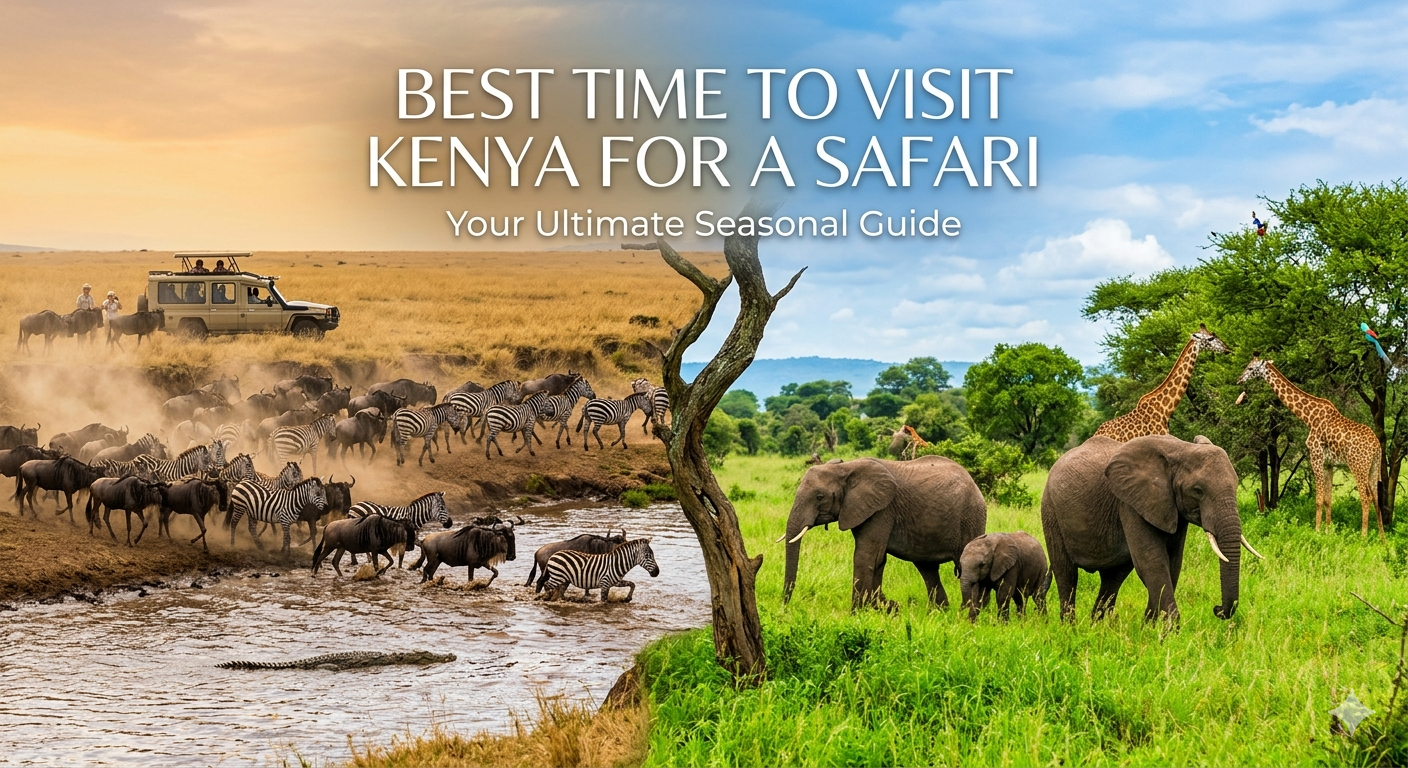
This is the most popular time to visit Kenya for a safari, and there are very good reasons for that. July marks the arrival of the wildebeest from Tanzania into the Maasai Mara, beginning the most dramatic wildlife spectacle on earth. By August, the Mara River crossings are in full swing — thousands of wildebeest plunging into crocodile-filled waters. It is chaotic, raw, and unforgettable.
Temperatures during this period stay comfortable — usually between 18 and 26 degrees Celsius. Mornings can be cool, so pack a light jacket for early game drives. The skies are clear, which means better photography conditions. Wildlife numbers in parks like Amboseli, Tsavo, and Samburu are also at their highest because animals concentrate near rivers and waterholes.
The Magical Kenya tourism board ranks the July-October period as the prime wildlife season and recommends it as the ideal window for first-time safari visitors.
January to February: The Hidden Gem Season
Not enough people talk about January and February for safaris in Kenya, and that is honestly their loss. This is a short dry season that follows the December short rains. The vegetation begins to thin out, animals are active, and the parks are noticeably less crowded than in the peak July-October window.
Amboseli National Park is at its most photogenic during these months. Mount Kilimanjaro, just across the border in Tanzania, is usually clear of cloud cover, providing that iconic backdrop for elephant photographs. Prices are slightly lower than peak season, and you get more personal game-drive experiences because there are fewer safari vehicles.
November to December: The Shoulder Season
November and December bring the short rains, typically in short afternoon bursts that do not last long. The parks turn green, which is beautiful, but visibility can be slightly reduced. This period is excellent for birding. Migratory birds begin arriving, adding incredible diversity to a day out in the bush.
Prices drop notably in November, making this one of the best times for budget-conscious travellers who still want a quality safari. Many lodges offer promotions during this period. The crowds thin out dramatically after the October peak.
March to June: The Long Rains Season
March through June is the long rainy season in Kenya. This is considered the low season for safaris. Heavy and persistent rains can make dirt roads impassable, and some smaller camps close for maintenance. Wildlife is harder to spot in thick vegetation. That said, this season is not without value.
This is when Kenya is at its greenest and most lush. Calving season happens during this period in some parks, bringing an abundance of newborn animals and, consequently, active predators. If you do not mind unpredictable weather and can handle some inconvenience, you will find very few other tourists and significantly discounted rates.
Explore unforgettable wildlife experiences year-round — View Top Kenya Safari Packages
How to Plan Your Kenya Safari Visit Correctly
Planning a safari is not just about picking a date. Here is a practical checklist to get everything right:
- Step 1: Decide what you want to see. If the Great Migration is your goal, you must target July to September in the Maasai Mara. If you want fewer crowds and lower prices, go in January or November.
- Step 2: Choose your parks based on your interests. Maasai Mara is best for the Migration. Amboseli for elephants and Kilimanjaro views. Samburu for rare northern species like the Grevy’s zebra and reticulated giraffe.
- Step 3: Book accommodation early. The best camps and lodges fill up months in advance for the peak season. For July to October, aim to book at least 4–6 months ahead.
- Step 4: Sort out your travel documents. Non-Kenyan visitors need a valid visa. Kenya’s eVisa system is available through the eCitizen Kenya portal.
- Step 5: Get your vaccinations and health advice. Yellow fever, hepatitis A and B, and typhoid vaccinations are commonly recommended. Malaria prophylaxis is also advisable.
- Step 6: Work with a reputable tour operator. Charming Safariz offers customised itineraries, airport transfers, park fees, and accommodation in one package — saving you time and reducing the risk of costly mistakes.
- Step 7: Pack appropriately. Neutral-coloured clothing, binoculars, sunscreen, a hat, and a good camera are essential. A light jacket is necessary for early morning drives.
Safari Costs, Park Fees, and Budgeting for Kenya in 2026
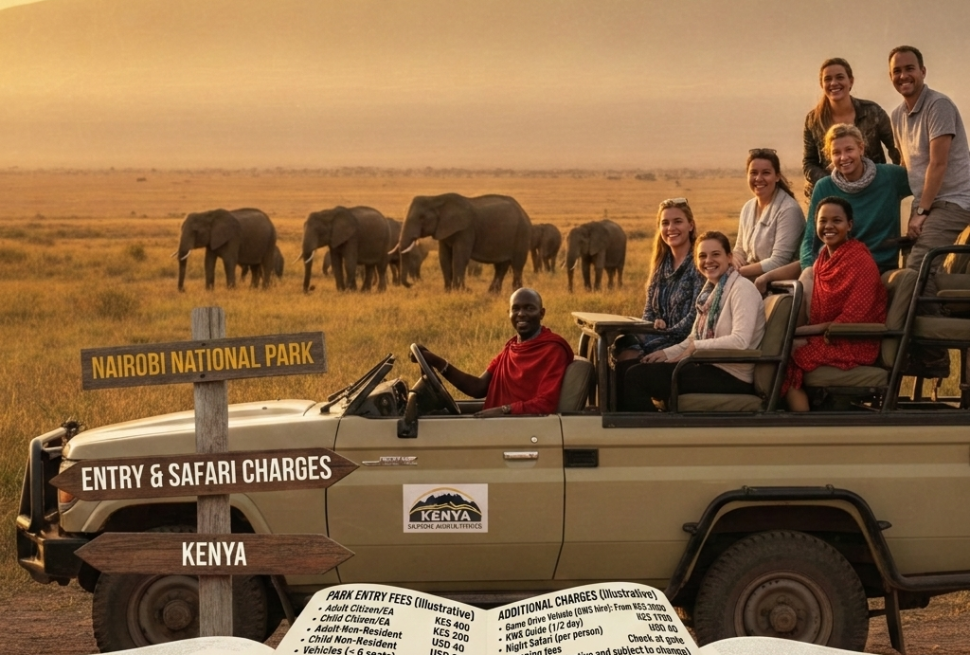
Understanding the cost structure helps you plan an honest budget. Park fees in Kenya are set by the Kenya Wildlife Service and vary by park and visitor category.
| Safari Type | Approximate Cost per Day (USD) | Best Season | Includes |
|---|---|---|---|
| Budget Safari (camping) | $100 – $200 | Low season (Nov–Jun) | Basic camp, shared vehicle |
| Mid-Range Safari | $250 – $500 | Shoulder season (Jan–Feb) | Mid-lodge, private or shared vehicle |
| Luxury Safari | $600 – $1,500+ | Peak season (Jul–Oct) | Luxury lodge/camp, private vehicle, meals |
| Maasai Mara (Peak) | $400 – $800/night | July – September | Accommodation + game drives |
Current park entry fees are published directly on the Kenya Wildlife Service official website. Non-resident adult fees for the Maasai Mara are set by the county government and differ from KWS-managed parks.
Get a free, no-obligation safari quote tailored to your budget — Request Your Custom Quote
Step-by-Step Guide: How to Book a Kenya Safari
- Research the best season for your target wildlife experience (use this guide as your starting point).
- Pick your parks: Maasai Mara, Amboseli, Tsavo East/West, Samburu, or a combination circuit.
- Contact a licensed Kenyan safari operator such as Charming Safariz for a customised itinerary and quote.
- Review accommodation options — tented camps, lodges, or luxury glamping. Confirm what is included (meals, transfers, game drives).
- Apply for your eVisa through the official eCitizen Kenya portal if you are a foreign visitor.
- Book your international flights. Nairobi’s Jomo Kenyatta International Airport and Wilson Airport for domestic flights are the main entry points. Check flight information through the IATA travel portal.
- Confirm all bookings in writing and pay any deposits as required by your operator.
- Get travel insurance that covers wildlife safari activities and medical evacuation.
- Pack and prepare: neutral clothes, cameras, binoculars, medications, and your travel documents.
- Arrive and enjoy. Let your guide do the rest.
Common Safari Planning Mistakes and How to Avoid Them
- Mistake 1 — Booking too late for peak season. Solution: Book July to October safaris at least four to six months in advance. The best camps fill up fast.
- Mistake 2 — Focusing only on the Maasai Mara. Solution: Kenya has 22 national parks and reserves. Samburu, Amboseli, and Tsavo offer exceptional wildlife with fewer crowds.
- Mistake 3 — Ignoring the shoulder season. Solution: January to February and November offer great value. Wildlife viewing is still very good and prices are 20–40% lower.
- Mistake 4 — Packing the wrong clothes. Solution: Avoid bright colours that startle wildlife. Pack layers — mornings are cold in high-altitude parks.
- Mistake 5 — Not budgeting for park fees. Solution: Park fees can be $80-$200 per person per day. Factor this into your budget before comparing lodge prices.
- Mistake 6 — Going without a licensed guide. Solution: A knowledgeable local guide dramatically increases the quality of your wildlife sightings and keeps you safe.
- Mistake 7 — Overlooking health preparations. Solution: See a travel doctor at least six weeks before your trip. Malaria prevention is essential for most Kenyan safari destinations.
Safari Travel Trends and Future Updates for Kenya in 2026
Kenya’s tourism industry is adapting fast. Here is what is changing in 2026 and beyond:
- Eco-tourism is booming: More travellers are choosing sustainable camps that give back to local communities. According to the World Travel and Tourism Council, eco-conscious travel grew by 18% globally in 2024.
- Digital park bookings: Kenya Wildlife Service has expanded its online booking system, allowing visitors to book park entry fees digitally before arrival — reducing queues at gates.
- Conservation fees increase: Some private conservancies in the Mara ecosystem have raised their conservation fees to fund anti-poaching programmes. Budget accordingly.
- Domestic tourism growth: More Kenyans are going on safari. The Kenya Tourism Board has pushed heavily for local travel, and several operators now offer Kenyan resident discounts.
- Technology in the field: Real-time wildlife tracking apps, drone-assisted conservation monitoring, and solar-powered camps are becoming standard across Kenya’s top reserves.
The UNESCO World Heritage Centre recognises the Kenya Lake System — including Lake Bogoria, Baringo, and Nakuru — as a World Heritage Site, further boosting responsible tourism infrastructure in these areas.
Quick Poll: When are you planning your Kenya safari?
- July to October (Peak Migration season)
- January to February (Short dry season)
- November to December (Shoulder season)
- March to June (Low season / budget travel)
Poll Answer: The most popular choice among experienced safari-goers is July to October because of the Great Migration. However, January to February offers excellent value with outstanding game viewing.
Frequently Asked Questions About the Best Time to Visit Kenya for a Safari
What is the single best month to visit Kenya for a safari?
August is widely considered the best single month for a Kenya safari. The wildebeest crossing of the Mara River is at its peak, wildlife concentrations are at their highest across all parks, and the dry weather makes for excellent game viewing. It is also when predator activity is most intense.
Is it safe to go on safari in Kenya during the rainy season?
Yes, it is generally safe, but it comes with challenges. Heavy rains between April and June can make some roads impassable and reduce wildlife visibility. If you plan to visit during this period, choose a reputable operator with 4x4 vehicles and check which parks remain accessible. Some lodges also close for the long rains.
Can I see the Great Migration in Kenya all year?
No. The Great Migration in Kenya is only visible from around July to September in the Maasai Mara. The wildebeest and zebra travel in a circular route between Tanzania’s Serengeti and Kenya’s Mara. By October, most of the herds have begun moving back south. Outside this window, the famous river crossings do not happen in Kenyan territory.
What is the cheapest time to visit Kenya for a safari?
The cheapest time is the long rainy season from April to June. Accommodation prices drop by 30 to 50 percent, and parks are nearly empty. November and early December are also affordable while offering better weather and decent game viewing. Working with an operator like Charming Safariz helps you find the best deals regardless of season.
Do I need a visa to visit Kenya for a safari?
Most international visitors need a visa to enter Kenya. Kenya operates an eVisa system, which means you can apply online before you travel through the official eCitizen Kenya platform. East African Community passport holders — Uganda, Rwanda, Tanzania, Burundi, and South Sudan — generally do not need a visa. Always check the latest requirements closer to your travel date.
How far in advance should I book a Kenya safari?
For the peak July to October season, book at least four to six months in advance. Popular lodges in the Maasai Mara often sell out by April for the July season. For shoulder and low seasons, two to three months is usually sufficient, though earlier is always better for budget planning.
My Experience Planning Safaris in Kenya’s Different Seasons
I have had the privilege of visiting Kenya’s parks at different times of year, and I can tell you honestly — the experience changes dramatically depending on when you go.
The first time I visited the Maasai Mara was in August. Nothing could have prepared me for watching a column of wildebeest pour into the Mara River while crocodiles waited below. The energy was electric. Guides who had worked there for decades still watched with visible excitement. That experience alone justified every cent spent.
But I also visited Amboseli in January, and it was a completely different kind of beauty. The park was quiet. Kilimanjaro stood perfectly clear above the treeline. An elephant family of twelve walked slowly past us in the golden afternoon light, completely unbothered by our presence. There were two other vehicles in the park that morning. Two.
What I have learnt from working with Charming Safariz is that the right season depends entirely on your personal priorities. If you want drama and spectacle, go in peak season. If you want intimacy and outstanding photography, go in the shoulder season. If you are on a tight budget but still want a real wildlife encounter, the low season is more accessible than most people think.
The team at Charming Safariz helped me plan a circuit that hit Samburu in February for rare northern species, Aberdares in March, and Maasai Mara in September. It was the most comprehensive Kenyan wildlife experience I have had, made possible by a customised itinerary that considered seasons carefully. If you want that same level of planning, request a quote here.
Key Takeaways
- The best time to visit Kenya for a safari is July to October — the peak dry season and Great Migration window.
- January to February is an excellent alternative with fewer crowds, lower prices, and very good wildlife viewing.
- August is the single best month if you want to witness the Mara River wildebeest crossing.
- The rainy seasons (April-June and November) offer budget-friendly rates with trade-offs in accessibility and visibility.
- Book early — at least four to six months ahead for peak season accommodation.
- Kenya has world-class parks beyond the Maasai Mara: Amboseli, Samburu, Tsavo, and Lake Nakuru all deserve a spot on your itinerary.
- Work with a reputable local operator. Charming Safariz offers tailored Kenya and Zanzibar safaris with full support from ticketing to accommodation.
- Park fees, health preparations, and proper gear are essential parts of your planning checklist.
Conclusion
Kenya is a place that rewards those who plan well. The wildlife, the landscapes, the culture — all of it is extraordinary. But getting the timing right is what turns a good trip into an unforgettable one.
Whether you are aiming for the roar of the Migration, the quiet majesty of Amboseli’s elephants, or the bird-filled skies of the Rift Valley, there is a perfect window for what you are looking for. Use this guide as your starting point, do your research, and then let a trusted team handle the details.
Charming Safariz has built a reputation as Kenya’s most reliable safari and ticketing company, with a dedicated team based in Nakuru ready to build your perfect itinerary. They bring together local knowledge, professional service, and genuine passion for what Kenya has to offer.
Have you been on a Kenya safari? Are you planning one? Drop your questions and experiences in the comments below — I would love to hear from you.
Plan Your Kenya Safari with Charming Safariz
Charming Safariz is Kenya’s top tour and travel company, specialising in safari packages, Zanzibar beach holidays, and ticketing services. With years of experience and a dedicated local team, they make safari planning seamless — from the first enquiry to the last game drive.
| Contact | Details |
|---|---|
| Phone / WhatsApp | +254 714 236 664 |
| enquiry@charmingsafariz.com | |
| Office Location | Nakuru, Kenya |
View Our Top Safaris in Kenya and Zanzibar
Request a Free Quote — No Obligation
Contact our Nakuru office today for a free, no-obligation quote and a customised itinerary tailored exactly to what you want from your Kenya safari.
Sources and References
- Kenya Wildlife Service — Official Park Information and Entry Fees
- Magical Kenya — Kenya Tourism Board Official Travel Guide
- UNESCO World Heritage Centre — Kenya Lake System
- World Travel and Tourism Council — Global Tourism Data
- IATA — International Air Travel Information
- TripAdvisor — Kenya Safari Reviews and Recommendations
- Kenya National Bureau of Statistics — Tourism Revenue Data
- Nation Africa — Kenya Travel and Tourism News
- eCitizen Kenya — eVisa Application Portal